

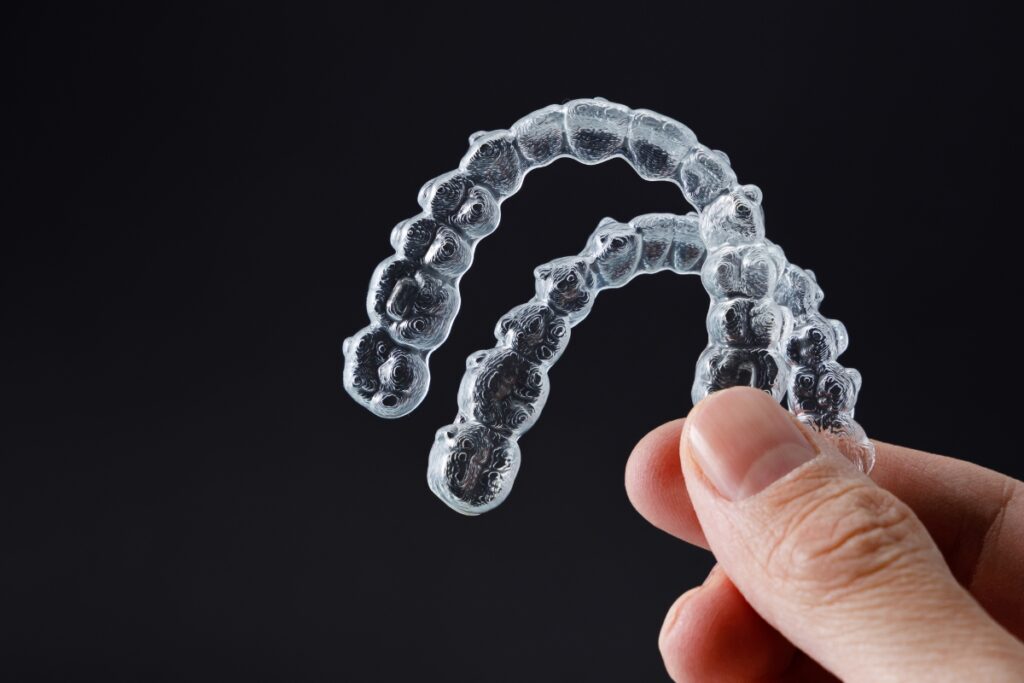
A bright, even smile is one many people wish for, but if there is a gap between the two front teeth, known as a diastema, their smile is incomplete. Though this is a natural occurrence that happens rather commonly, it can sometimes make people self-conscious about their looks or even lead to speech problems. Fortunately, there is an effective solution that doesn’t involve traditional metal braces: Invisalign. Modern orthodontics includes clear, removable aligners that close the gap in a very comfortable and cosmetically appealing manner.
Invisalign has quickly become a popular alternative to braces, especially for those seeking a more discreet way to align their teeth. Whether you have always had a gap or your teeth have shifted over time, Invisalign aligners offer a subtle, non-invasive way to achieve the smile you have always wanted. Let’s look a little deeper at how Invisalign works in closing those gaps and why Invisalign is the ideal choice for diastema correction.
Diastema: What Is It, and Why Does it Occur?
A diastema is a space or gap between two teeth and usually refers to the condition when there is a noticeable space between the upper front teeth. While some individuals do not concern themselves with it, many seek treatment for diastema due to cosmetic concerns or an interference in speech, chewing, or biting. There are several causes of diastema: genetics, habits (such as thumb-sucking), and tooth size relative to the jaw.
Sometimes, a diastema is just a simple cosmetic concern for many. In contrast, for others, it leads to complications such as food getting trapped between their teeth or difficulty enunciating words properly. Whatever your reason for treatment, it’s essential to explore options that best fit your comfort and lifestyle.
Invisalign: The Clear Solution
Today, most people prefer Invisalign in Springfield, MO, for closing gaps. Invisalign aligners are made with durable, see-through plastic that fits snugly over your teeth and gradually shifts them into place. There are no irritating metal brackets or wires inside your mouth as there would be with traditional braces. Invisalign aligners are removable, making it easier to eat, brush, and floss.
Unlike traditional braces, which use bracket-and-wire systems, Invisalign uses transparent aligners that gradually move teeth into their correct positions. It is far more comfortable and often requires less readjustment. Further, the aligners are nearly invisible, making it much easier to present a professional and confident appearance during treatment.
How Invisalign Works?
Invisalign provides a clear and effective way to close gaps in your teeth, including diastema. The process is simple and tailored to suit an individual’s requirements. Your orthodontist will guide you through each step so your journey toward a more confident smile is smooth. Here is a breakdown of how the process goes:
- Initial Consultation: Your orthodontist will first assess your teeth and discuss your objectives. Your orthodontist will determine whether Invisalign is the appropriate treatment for you.
- Digital Scan and Customized Treatment Plan: A digital scan of your teeth will be taken to create a 3D image. This allows the orthodontist to develop a custom treatment plan so that the aligners will fit your teeth with precision.
- Fabrication of Custom Aligners: From the 3D scan, a series of customized aligners is fabricated to gradually shift your teeth. Each aligner applies gentle pressure to the gap for comfortable, gradual closure.
- Wearing the Aligners: You will wear each set of aligners for approximately 2 weeks. In this, they will take the time to move your teeth to the desired position slowly.
- Follow-up Appointments: During your treatment, you will see your orthodontist every 6-8 weeks to check how you are doing. You will be given new sets of aligners as necessary.
- Final Stages: At this point, the gap is closed, and your teeth are correctly aligned, marking the end of your treatment. In some cases, your orthodontist may recommend a retainer to maintain your results.
Note: The entire process may take 6-12 months, depending on the severity of your diastema.
The Benefits of Invisalign for Closing Gaps
Convenience and aesthetic appeal are among the main reasons people turn to Invisalign. Some of the benefits include:
- Discreetness: The transparent aligners make them almost invisible, making them very suitable for adults and even teens.
- Comfortable: Without metal elements, Invisalign aligners are much more relaxed than traditional braces.
- Removable: They can be easily removed for eating, brushing, or flossing, making maintenance relatively easy.
- Effective: Invisalign aligners are no less effective than traditional braces in treating diastema and/or improving overall tooth alignment.
Invisalign vs Braces: What Are The Differences?
Traditional braces use brackets and wires fixed to the teeth, which are gradually tightened to move the teeth into position. This may be very effective, but it can be uncomfortable and requires frequent visits to the orthodontist for adjustments.
The distinction is that Invisalign aligners are custom-designed, removable, especially when eating or cleaning, and more comfortable than those with wires and brackets. Arguably, the most valuable feature for many Invisalign patients is its discretion, offering an almost invisible method of treatment best for those who do not want others paying attention to their dental work.
Achieve A Perfect Smile with Invisalign
Invisalign is an easy and effective way to close the gap in your smile without the hassle of traditional metal braces. Invisalign aligners are comfortable, removable, and nearly invisible. Use them to achieve a more confident and natural smile. If you are looking for Invisalign near you, then it is essential to find a qualified dentist or orthodontist.
Are you ready to embark on your journey to close that gap for a better smile? Contact Kelly Dental today. Our team of professionals is prepared to help you explore how Invisalign can transform your smile with ease and comfort. Schedule a consultation and take the first step toward a perfect smile!
FAQs
- How long does it take to close a gap with Invisalign?
The duration depends on the size of the gap and the amount of movement required. Most people can expect to wear Invisalign for about 6 to 12 months. - Can Invisalign fix all types of tooth gaps?
Invisalign is effective for most gaps, but for more complex cases, traditional braces might be recommended. Your orthodontist will assess your situation during the consultation. - How often do I need to visit the orthodontist during Invisalign treatment?
Typically, you’ll need to visit your orthodontist every 6-8 weeks to check on your progress and receive new aligners. - Will Invisalign affect my speech?
With Invisalign, you might notice slight changes in your speech. However, this usually improves as you get used to wearing the aligners. - Can I eat with my Invisalign aligners on?
No, you should remove your aligners when eating or drinking anything other than water to avoid damaging them. - Is Invisalign treatment painful?
Some mild discomfort or pressure may occur when switching to a new set of aligners, but it’s typically manageable and temporary.