

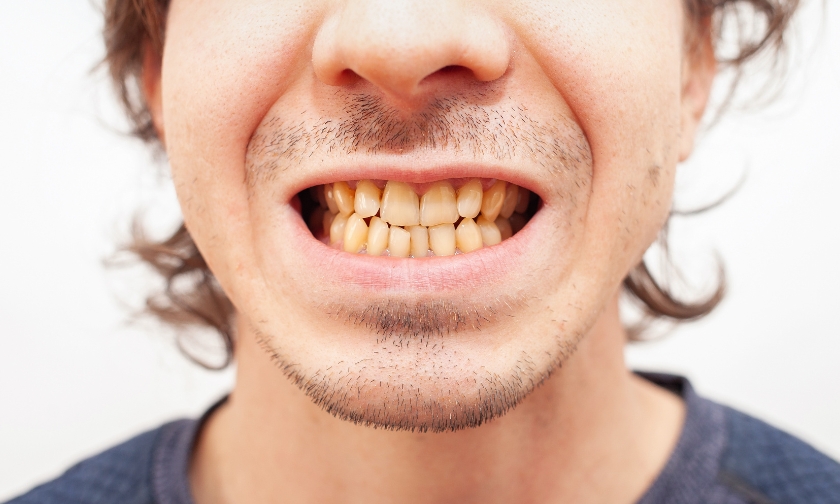
Did you know that what you eat could be silently damaging your teeth? You might be brushing and flossing diligently, but certain foods in your diet could still be wreaking havoc on your enamel. Enamel is the hard outer layer of your teeth, and it plays a crucial role in protecting them from decay. However, it can’t regenerate once it’s damaged. That’s why it’s vital to protect it.
In this blog, we’ll take a look at some of the most common foods that destroy enamel. These hidden culprits may be lurking in your everyday meals, potentially causing more harm than you realize. By identifying and understanding these foods, you can better protect your smile and preserve your dental health for years to come.
What Is Enamel and Why Is It Important?
Enamel is the outermost layer of your teeth, and it’s the hardest substance in the human body. Think of it as the shield that protects the delicate inner layers of your teeth from harmful elements such as bacteria, acids, and temperature changes. Healthy enamel keeps your teeth strong, preventing decay and sensitivity.
Enamel is crucial for maintaining good oral health because it is responsible for protecting the tooth’s underlying structure, the dentin. Once enamel starts to erode, it can lead to a range of issues, including tooth sensitivity, cavities, and more serious dental decay.
According to a professional dentist in Springfield, unfortunately, unlike other body tissues, enamel doesn’t regenerate. So, once it’s gone, it’s gone for good.
Erosion of enamel can make your teeth more vulnerable to bacteria, leading to infections or cavities that may require fillings or root canal treatments. Enamel loss can also contribute to tooth discoloration, as the softer, yellower dentin underneath becomes more visible. In severe cases, it can even lead to cracked or fractured teeth. This is why it’s so important to protect your enamel and be mindful of the foods you eat.
Top 10 Foods That Destroy Enamel
You may be surprised at the number of everyday foods that can damage enamel. While we often associate sugary snacks and sodas with tooth decay, there are other culprits that you might not be aware of. Many of these foods are commonly found in our diets, making it important to be cautious about how much of them you consume. Here’s a list of the top 10 foods that can destroy your enamel:
1. Sugary Snacks & Sodas
How It Damages Enamel: Sugary foods and drinks feed the harmful bacteria in your mouth, which produce acids that wear away enamel.
How to Avoid Damage: Limit your intake of sugary snacks and opt for water or milk instead of soda.
2. Citrus Fruits
How It Damages Enamel: The acid in citrus fruits, like oranges and lemons, can soften enamel and lead to its erosion.
How to Avoid Damage: Drink citrus juices with a straw to reduce contact with your teeth and rinse your mouth afterward.
3. Coffee & Tea
How It Damages Enamel: Both coffee and tea are acidic and can stain your teeth. The acids gradually wear away enamel over time.
How to Avoid Damage: Drink these beverages in moderation, and always rinse your mouth with water afterward.
4. Acidic Sauces (Vinegar-based)
How It Damages Enamel: Vinegar and other acidic sauces can be extremely harsh on enamel, slowly dissolving it with frequent exposure.
How to Avoid Damage: Use acidic dressings sparingly and avoid direct contact with your teeth.
- Alcohol (Especially Wine)
How It Damages Enamel: Wine, particularly red wine, is acidic and can stain your teeth, while alcohol dehydrates your body, making your mouth more susceptible to enamel erosion.
How to Avoid Damage: Drink water alongside alcoholic beverages to keep your mouth hydrated, and avoid excessive consumption. - Sports Drinks
How It Damages Enamel: Many sports drinks are loaded with sugars and acids that can contribute to enamel erosion, especially if consumed frequently.
How to Avoid Damage: Water is the best choice for hydration. If you must drink sports drinks, rinse your mouth afterward. - Ice (Chewing Ice)
How It Damages Enamel: Chewing on hard objects like ice can cause physical damage to the enamel, leading to chips or cracks.
How to Avoid Damage: Avoid chewing ice altogether, and opt for chilled water instead. - Sticky Candies
How It Damages Enamel: Sticky sweets cling to your teeth for extended periods, giving sugars more time to cause harm to your enamel.
How to Avoid Damage: Choose hard candies that dissolve quickly or fresh fruit instead of sticky treats. - Potato Chips
How It Damages Enamel: Chips and other starchy foods get stuck between your teeth and break down into sugars, which feed harmful bacteria.
How to Avoid Damage: Brush your teeth after eating chips or snack on fresh vegetables instead. - Dried Fruits
How It Damages Enamel: While they may seem healthy, dried fruits are often sticky and high in sugar, making them tough on your enamel.
How to Avoid Damage: Eat fresh fruits instead, which are gentler on your teeth.
How to Protect Your Enamel
Protecting your enamel is essential for maintaining long-term oral health. Here are some practical tips to help preserve your enamel and minimize damage:
- Brush Gently with Fluoride Toothpaste
Using fluoride toothpaste helps strengthen enamel and reduce the risk of decay. Make sure to brush your teeth gently, as aggressive brushing can cause enamel wear. - Rinse After Eating
If you consume any acidic foods or drinks, rinse your mouth with water afterward. This helps neutralize acids and protects your enamel from erosion. - Chew Sugar-Free Gum
Chewing sugar-free gum stimulates saliva production, which helps neutralize acids in your mouth and promotes enamel remineralization. - Use a Straw
When drinking acidic beverages, using a straw minimizes contact with your teeth, reducing the potential for enamel damage. - Maintain a Balanced Diet
Eat enamel-friendly foods such as cheese, yogurt, and leafy greens. These foods help balance the acids in your mouth and promote stronger enamel. - Regular Dental Check-ups
Visit Kelly Dental regularly for check-ups and professional cleanings. Early detection of enamel erosion can help prevent further damage and ensure that your teeth stay healthy for years to come.
When to See a Dentist
Enamel erosion can often go unnoticed until it causes noticeable damage, such as tooth sensitivity or visible discoloration. If you experience any of the following signs, it’s time to consult with a dentist in Springfield:
Signs of Enamel Damage:
- Tooth sensitivity when eating hot or cold foods
- Noticeable changes in the appearance of your teeth, such as yellowing or dullness
- Chips or cracks in your teeth
- Pain or discomfort when chewing or biting
Importance of Professional Care:
If you’re noticing any of these symptoms, it’s crucial to consult with a dentist at Kelly Dental. Professional care can help detect enamel erosion early, allowing for restorative treatments like dental bonding or fluoride treatments to protect your teeth.
Protecting your enamel is an essential part of maintaining healthy, strong teeth for life. By being mindful of the foods you eat and following proper oral hygiene practices, you can avoid enamel erosion and keep your smile bright.
If you’re concerned about your enamel or need personalized advice, schedule a consultation with Kelly Dental today. Let our professional team help you preserve your enamel and achieve optimal oral health.
People Also Ask
Can drinking coffee harm my enamel?
Yes, coffee is acidic and can stain your teeth. To protect your enamel, drink it in moderation and rinse your mouth with water afterward.
Are sugary snacks the main cause of enamel erosion?
Sugary snacks can contribute to enamel damage by feeding harmful bacteria that produce acids. Limiting sugary foods and brushing after meals can help protect your enamel.
Is chewing ice bad for my teeth?
Yes, chewing ice can cause physical damage to your enamel, leading to cracks or chips. It’s best to avoid chewing hard substances like ice.
Can sports drinks harm my enamel?
Yes, most sports drinks contain high levels of sugar and acid, which can erode enamel. Drink water instead, especially during exercise, to protect your teeth.
Should I avoid all fruits to protect my enamel?
Not all fruits harm enamel. While citrus fruits can be acidic, fruits like apples, pears, and bananas are enamel-friendly and provide essential nutrients.