


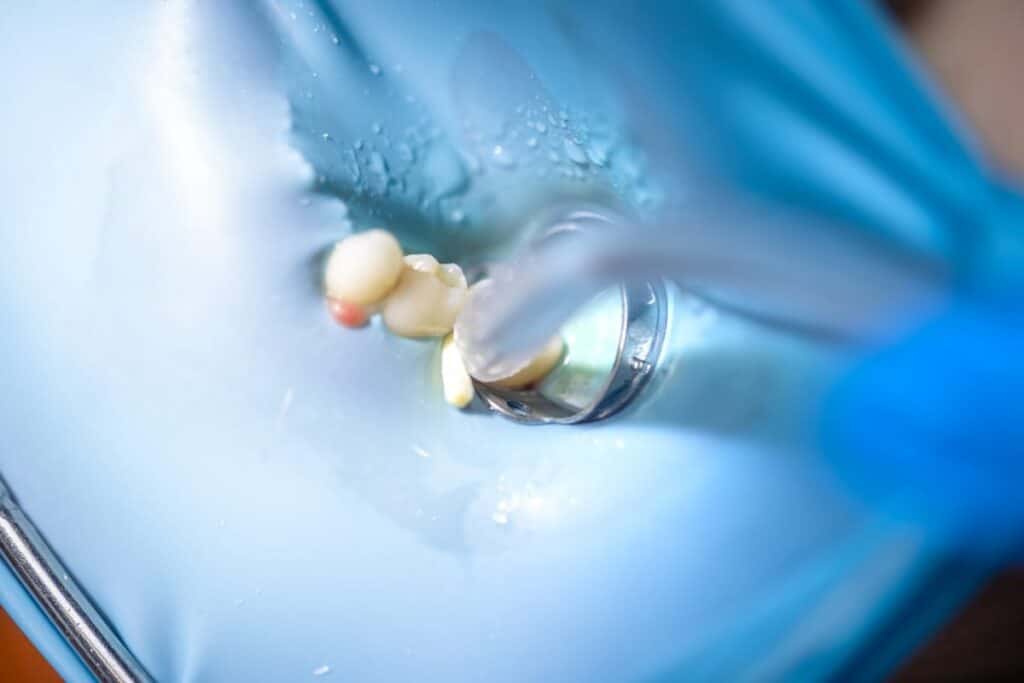
If Dr. Chase Kelly has recommended a crown following your root canal, you may be wondering why this extra step is necessary. At Kelly Dental of Springfield, this is one of the most frequent questions patients ask after treatment. Understanding what a root canal does to your tooth, and why a crown is usually the next step, helps you protect your smile for years to come.
What Happens Inside a Tooth During a Root Canal
A root canal clears infected or inflamed pulp from inside the tooth. This step stops the infection and removes the pain caused by it, allowing the tooth to stay in your mouth instead of being pulled. But the procedure does significantly change the tooth.
Once the pulp is gone, the tooth no longer has its internal blood supply. Over time, a tooth in this condition tends to become drier and more brittle than a tooth with living pulp inside it. The access opening created during treatment also removes some of the tooth’s original structure, leaving less material to absorb the pressure of daily biting and chewing.
This matters most for molars and premolars, since these teeth handle the bulk of your bite force. A back tooth that has had a root canal but no crown is more likely to crack under everyday pressure. Once a tooth fractures below the gum line, it often cannot be saved.
Why Dentists Recommend a Crown After a Root Canal
A dental crown covers the entire visible portion of the tooth, similar to a cap fitting over the top. It replaces the strength the tooth lost during treatment and gives you back a tooth you can bite and chew with confidently.
Here is what a crown does for a root-canal-treated tooth:
- Rebuilds the tooth’s ability to handle normal chewing pressure
- Guards against cracks and fractures that cannot be repaired
- Seals out bacteria that could otherwise reach the cleaned root canals
- Supports the remaining tooth structure so it does not wear down further
- Restores a natural appearance if the tooth has darkened after treatment
Dr. Kelly places crowns after root canal treatment as a standard part of care for most back teeth. The two treatments work together, with the root canal removing the infection and the crown protecting the result.
What Happens if You Wait or Skip the Crown
Some patients put off scheduling their crown appointment. This is understandable, but it does carry risk. A treated tooth without a crown stays vulnerable to fracture, and a break in the wrong spot can mean losing the tooth entirely.
There is also a risk of reinfection. The opening made to reach the root canals needs to stay properly sealed. Without a crown in place long-term, bacteria have an easier path back into the tooth, which can lead to a repeat infection and additional treatment.
An unprotected tooth can also shift out of proper alignment or wear unevenly against the teeth it meets when you bite down. Getting your crown placed on schedule keeps your bite balanced and avoids these complications.
What to Expect at Your Crown Appointment
At Kelly Dental of Springfield, the crown process for a root-canal-treated tooth generally involves two visits.
First Visit: Preparation and Temporary Crown
Dr. Kelly shapes the tooth to create a proper base for the crown, then takes an impression or digital scan, so your permanent crown can be custom-made to fit your bite. A temporary crown is placed over the tooth to protect it while your permanent crown is being fabricated.
Second Visit: Fitting Your Permanent Crown
Once your custom crown is ready, you will return to Kelly Dental so Dr. Kelly can check the fit, adjust it as needed, and cement it permanently into place. Your bite is checked at this visit to make sure everything feels comfortable and aligned before you leave.
Most patients tolerate the process well. Local anesthesia is used during the preparation visit, and any sensitivity afterward is typically mild and short-lived.
Choosing the Right Crown Material
Not every crown is built the same way, and Dr. Kelly chooses the material for each patient based on where the tooth sits in the mouth and how much force it will need to handle every day. Zirconia and porcelain fused to metal are common choices for molars and premolars, since these teeth need a material that can stand up to steady chewing pressure without wearing down. For front teeth, an all-porcelain crown is often the better fit, since it blends in with the surrounding teeth and reflects light the way natural enamel does.
How Long a Crown Can Last
A properly placed and well-maintained crown can serve a tooth for many years. Brushing twice a day, flossing carefully around the base of the crown, and keeping up with routine checkups at Kelly Dental all help extend its lifespan.
A few habits can shorten a crown’s life, including chewing on ice, using your teeth to open packages, or grinding your teeth at night without a night guard. Dr. Kelly can fit you for a custom night guard if grinding is a concern, which helps protect both your crown and your natural teeth.
Protecting Your Tooth for the Long Term
A root canal saves your tooth from infection. A crown gives that same tooth the strength it needs to stay functional for the long run. Together, they offer one of the most reliable ways to keep a natural tooth in place instead of moving toward extraction and replacement.
Dr. Chase Kelly and the team at Kelly Dental of Springfield are ready to walk you through every step, from your root canal to your final crown fitting. Book Now to schedule your appointment.
Frequently Asked Questions
Do all root canal teeth need a crown?
Most back teeth need a crown after a root canal because they carry heavy chewing pressure. Front teeth with less structural damage may sometimes be restored with a filling instead. Dr. Kelly reviews each tooth individually to recommend the right option.
How long after my root canal will I need my crown?
Your crown appointment is typically scheduled a few weeks after your root canal. In the meantime, a temporary crown protects the tooth. Waiting too long to complete the process raises the risk of fracture or reinfection.
Is getting a crown painful?
Local anesthesia is used during the tooth preparation step, so most patients feel little to no discomfort. Mild sensitivity for a few days afterward is common and usually resolves on its own.
What type of crown works best after a root canal?
The right material depends on the tooth’s location. Zirconia or porcelain fused to metal is often recommended for back teeth because of the pressure they handle. At the same time, all-porcelain crowns are common for front teeth where appearance is the priority.
Can a tooth under a crown still get a cavity?
The crown itself will not decay, but the natural tooth underneath still can, particularly along the edge where the crown meets the gum line. Regular brushing, flossing, and checkups at Kelly Dental help protect this area over time.