


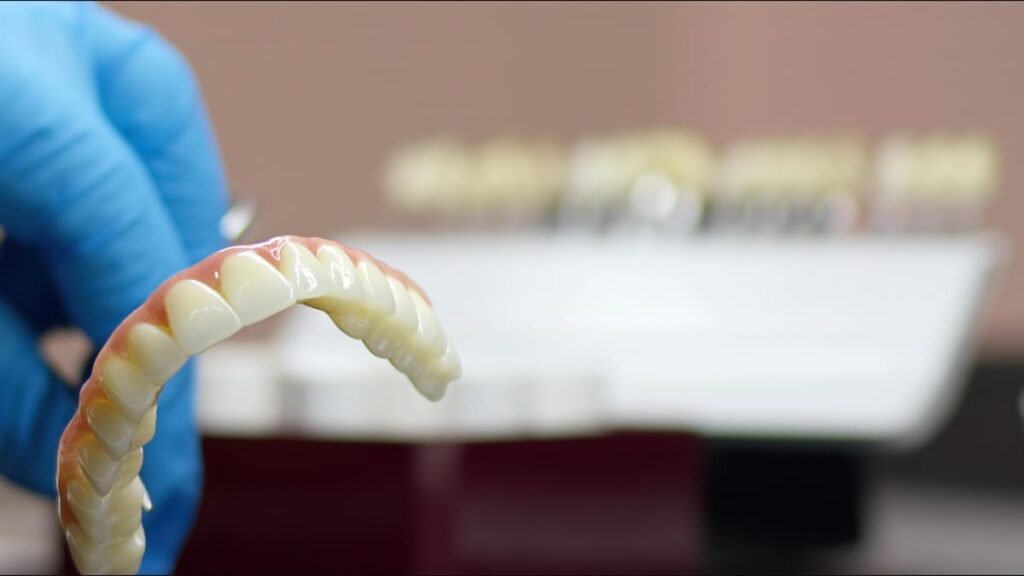
Getting new dentures is a big step. Many Springfield patients feel excited and nervous at the same time. Your first weeks with dentures — what to expect and how to adapt in Springfield — is a topic Dr. Chase Kelly at Kelly Dental of Springfield discusses with every new denture patient. The adjustment period is real, but it is also very manageable with the right guidance.
Understanding what lies ahead helps you stay patient with yourself. Most people adapt successfully within four to eight weeks. This article walks you through the most common challenges and practical strategies to handle them confidently.
Why the First Weeks With Dentures Feel Different
Your mouth has never experienced anything quite like dentures before. Your gum tissue, tongue, and cheek muscles all need time to adjust to a new appliance. This is completely normal and expected — not a sign that something went wrong.
New dentures may feel bulky or loose at first. Your brain registers them as a foreign object and works hard to adapt. Saliva production often increases during the first few days as your mouth reacts to the new appliance.
Soreness is one of the most common early complaints. Pressure points develop where the denture base contacts your gums. These sore spots are temporary and treatable. Dr. Kelly typically schedules follow-up visits to make small adjustments that relieve discomfort quickly.
Here is what most patients experience during their first two weeks:
- A feeling of fullness or bulkiness in the mouth
- Increased saliva production and occasional gagging
- Minor gum soreness or irritation at pressure points
- Difficulty speaking certain words clearly
- Challenges chewing foods they previously enjoyed
Speech Changes During Your Denture Adjustment Period in Springfield
One of the first things new denture wearers notice is a change in their speech. Words that use the letters S, F, and TH often sound different at first. Your tongue is learning new positions around the denture base.
This challenge is temporary. Most patients find their speech returns to normal within two to four weeks. The key is consistent practice throughout the day.
Try these proven strategies to speed up your speech adjustment:
- Read aloud for ten to fifteen minutes each morning
- Practice tongue twisters slowly and deliberately
- Record yourself speaking to track your improvement
- Have conversations regularly — do not avoid talking
- Sing along to familiar songs to build muscle memory
Avoid isolating yourself because of speech concerns. Social interaction is actually one of the best ways to adapt faster. Your brain rewires quickly when you give it consistent practice and feedback.
Eating Comfortably With New Dentures: A Step-by-Step Approach
Eating with dentures takes practice. Rushing into hard or chewy foods too soon leads to sore gums and denture movement. A gradual approach protects your comfort and confidence.
Start with soft foods during your first week. Yogurt, mashed potatoes, scrambled eggs, and soups are ideal. Cut food into small pieces and chew slowly on both sides of your mouth simultaneously. This keeps the denture stable and distributes pressure evenly.
During week two, introduce slightly firmer textures. Cooked vegetables, fish, and soft bread become manageable with practice. Avoid sticky foods like caramel and hard items like raw carrots or crusty bread during the first month.
By weeks three and four, most patients eat a much wider variety of foods with confidence. You may never return to certain very hard or crunchy items, but the vast majority of everyday meals become fully accessible again.
Managing Sore Spots and When to Call Dr. Kelly
Some gum soreness during the first weeks with dentures is normal. However, persistent pain that does not improve after a few days deserves professional attention. Dr. Chase Kelly and the team at Kelly Dental of Springfield are always available to help.
Never try to adjust your dentures at home with tools. Self-adjustments can crack the appliance or create new pressure points that worsen your discomfort. Always bring denture concerns to your dentist.
Rinse your mouth with warm salt water two to three times daily to soothe irritated gum tissue. Remove your dentures at night to give your gums rest and to reduce bacterial buildup. Clean your dentures thoroughly each day with a soft brush and denture-specific cleaner.
If you develop a sore spot that causes significant pain, swelling, or difficulty eating, contact Kelly Dental promptly. We also provide Emergency Dentistry Springfield for patients experiencing sudden or severe oral pain. Your comfort matters, and no issue is too minor to address.
Building Long-Term Confidence With Your Dentures
Most Springfield patients feel genuinely comfortable with their dentures by the six-week mark. The early frustrations fade as new habits form. Consistency is the most important factor in a successful adjustment.
Dentures are just one part of a broader approach to oral health. Maintaining regular dental checkups allows Dr. Kelly to monitor your gum tissue and denture fit over time. Bone loss under dentures is gradual but can affect fit after several years.
Some patients later explore additional options to enhance their smile further. If you are curious about combining dentures with other smile improvements, our team offers Cosmetic Dentistry Springfield services that may complement your treatment plan. A beautiful, functional smile is absolutely achievable at any age.
Stay connected with your dental team throughout the adjustment process. Open communication leads to better outcomes and faster adaptation. You do not have to navigate the first weeks with dentures alone — Dr. Kelly and the entire Kelly Dental team are here to support every step of your journey. Book Now to schedule your appointment with our team.
Frequently Asked Questions
How long does it take to get used to new dentures?
Most patients adapt to new dentures within four to eight weeks. Speech usually normalizes within two to four weeks, while eating comfort often improves steadily through the first month. Every patient adjusts at their own pace, and follow-up appointments with Dr. Kelly help speed the process along.
Is it normal for my gums to be sore with new dentures?
Yes, mild gum soreness during the first few weeks is completely normal. Pressure points form where the denture contacts your gum tissue. Dr. Kelly makes small denture adjustments at follow-up visits to relieve these sore spots. Persistent or worsening pain should always be evaluated by your dentist.
Can I sleep with my dentures in?
Most dentists recommend removing dentures at night. Sleeping without them gives your gum tissue time to rest and recover. It also reduces bacterial buildup and allows you to clean your dentures thoroughly. Store them in a denture-soaking solution or clean water overnight to maintain their shape.
Why do I produce so much saliva with new dentures?
Increased saliva production is a natural response to a new appliance in your mouth. Your brain initially treats dentures as food and triggers extra saliva. This reaction settles down within the first one to two weeks as your body recognizes the dentures as a normal part of your mouth.
What foods should I avoid during my first weeks with dentures?
Avoid hard, sticky, and very chewy foods during your initial adjustment period. Nuts, raw carrots, caramel, chewing gum, and crusty bread can dislodge dentures or irritate sore gum tissue. Start with soft foods and gradually introduce firmer textures as your comfort and confidence improve over the first several weeks.