


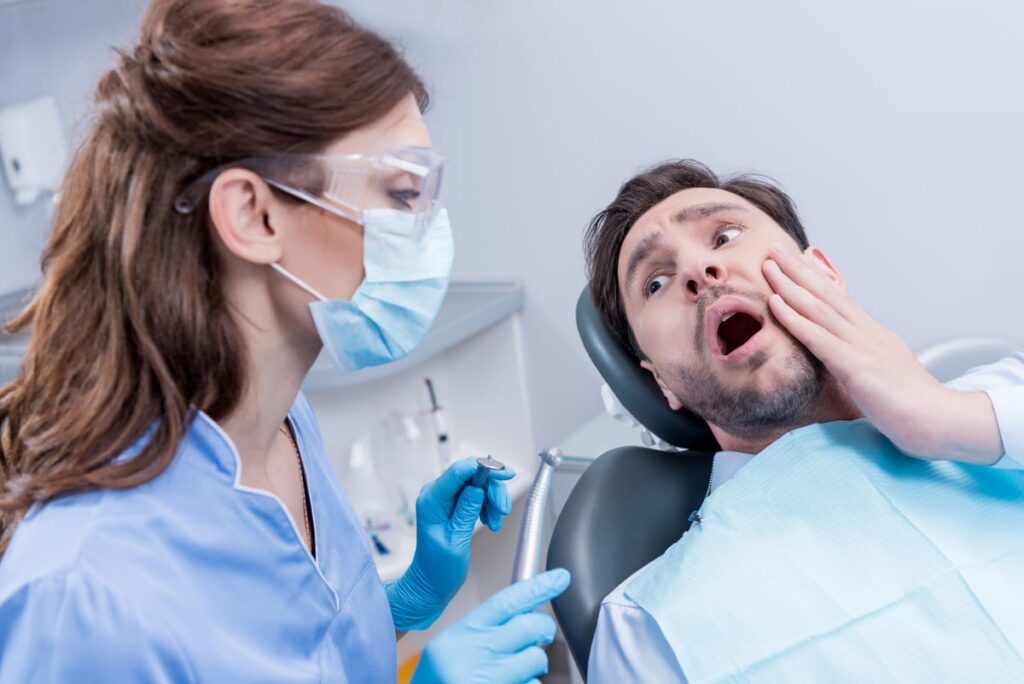
Something feels wrong with your tooth — but is it truly urgent? Knowing whether your dental problem is really an emergency can save you time, stress, and discomfort. This quick triage guide for Springfield patients will help you assess common situations calmly and clearly. Dr. Chase Kelly and the team at Kelly Dental of Springfield are here to help you make sense of what your mouth is telling you.
What Counts as a True Dental Emergency in Springfield?
A dental emergency is any situation that requires immediate professional attention to stop bleeding, relieve severe pain, or save a tooth. Not every toothache falls into that category. However, some symptoms should never be ignored or delayed. Understanding the difference protects both your health and your peace of mind.
Situations that are almost always true dental emergencies include:
- Severe, throbbing tooth pain that does not respond to over-the-counter pain relief
- Significant facial or gum swelling, especially near the jaw or throat
- A knocked-out or completely avulsed tooth
- Uncontrolled bleeding in the mouth lasting more than 15 minutes
- A broken tooth with exposed nerve tissue causing sharp pain
- Signs of abscess — including fever, pus, or swollen lymph nodes
If you experience any of these, contact Kelly Dental of Springfield right away. Delaying treatment for a true emergency can turn a manageable problem into a serious one.
Swelling and Infection — Never Wait on These Symptoms
Facial swelling is one of the clearest signs that something is seriously wrong. Swelling near your jaw, cheek, or throat may indicate a dental abscess. An abscess is a bacterial infection that can spread to your neck or airway if left untreated. This is a situation where you should seek care the same day — no exceptions.
Pain from an abscess is usually intense and persistent. You may also notice a bad taste in your mouth, fever, or difficulty swallowing. These symptoms together paint a clear picture: this is a dental emergency. Do not try to manage an abscess at home with warm rinses alone.
Mild gum soreness without swelling, on the other hand, may not require emergency care. That type of discomfort can often wait for a scheduled appointment. When in doubt, call our Springfield office and describe your symptoms — we will help you decide your next step.
Pain Levels — How to Gauge Your Toothache
Not all tooth pain is created equal. A mild ache after eating something cold may simply indicate sensitivity. Lingering, severe pain that keeps you awake at night is a different story entirely. Rating your pain honestly helps you determine whether you need emergency dentistry or a routine visit.
Ask yourself these questions when assessing tooth pain:
- Is the pain constant, or does it come and go?
- Does it wake you up at night or prevent normal activity?
- Has the pain been getting progressively worse over the past 24 to 48 hours?
- Is there visible damage to the tooth, like a crack or chip?
- Do you have swelling, fever, or a bad taste alongside the pain?
If you answered yes to two or more of these questions, treat your situation as urgent. Reach out to Kelly Dental as soon as possible. Severe or worsening tooth pain rarely resolves on its own without professional intervention.
Loose Teeth, Broken Teeth, and Bleeding — Triage Tips
A permanent tooth that feels loose is always cause for concern. Adults should not have mobile teeth. A loose permanent tooth may result from trauma, advanced gum disease, or bone loss. Regardless of the cause, a loose adult tooth requires prompt evaluation to determine if it can be saved.
A knocked-out tooth is one of the most time-sensitive emergencies in dentistry. If the tooth comes out cleanly, handle it by the crown — not the root. Rinse it gently and keep it moist, either in milk or between your cheek and gum. Call us immediately, because the window for reimplantation closes quickly, often within 30 to 60 minutes.
Mouth bleeding from a minor cut or bitten lip often stops with gentle pressure within 10 to 15 minutes. If bleeding persists beyond that timeframe, or if it is related to a tooth extraction or trauma, contact us right away. Uncontrolled oral bleeding is always treated as an emergency at Kelly Dental of Springfield.
When It Can Wait — Non-Emergency Dental Situations
Some dental issues feel alarming but are not immediately life-threatening. Understanding which problems can wait helps you stay calm and plan appropriately. You can typically schedule a routine appointment — rather than emergency care — for the following situations.
Non-emergency situations include a small chip or crack with no pain, a lost filling or crown that causes mild sensitivity, mild gum tenderness without swelling, and a dull ache that responds well to over-the-counter pain relief. These conditions still need professional attention — just not necessarily today. Ignoring them entirely can allow them to become emergencies over time.
For patients interested in restoring damaged or aesthetically compromised teeth, options like Cosmetic Dentistry Springfield can address chips, cracks, and discoloration beautifully. Similarly, restorations like Crowns And Veneers Springfield are excellent long-term solutions for teeth weakened by damage or decay. These procedures are planned, not emergency-based, and Dr. Kelly will walk you through every option at your next visit.
What to Do While You Wait for Your Appointment
Once you have triaged your situation and contacted our office, there are steps you can take at home to manage discomfort safely. These tips will not replace professional care, but they can help you stay comfortable until your appointment.
- Rinse gently with warm salt water to reduce inflammation and cleanse the area.
- Take over-the-counter pain relievers like ibuprofen according to package directions — do not place aspirin directly on the gum.
- Apply a cold compress to the outside of your cheek in 20-minute intervals to reduce swelling.
- Avoid hard, crunchy, or very hot foods that could worsen pain or damage.
- If a crown or filling has fallen out, dental cement from a pharmacy can provide temporary protection.
These measures are temporary. They manage symptoms, but they do not treat the underlying problem. Always follow up with Dr. Chase Kelly even if the discomfort eases on its own.
Trust Kelly Dental of Springfield When You Are Unsure
You should never have to guess alone when something feels wrong with your teeth. The team at Kelly Dental of Springfield is trained to help you triage your situation quickly and compassionately. Whether your concern turns out to be urgent or routine, we will give you clear, honest guidance every step of the way. Book Now to schedule your appointment with our team.
Frequently Asked Questions
How do I know if my toothache is a dental emergency?
A toothache becomes an emergency when the pain is severe, constant, or worsening — especially if it is accompanied by swelling, fever, or a bad taste. Pain that keeps you awake at night or does not respond to over-the-counter medication also warrants same-day attention. When in doubt, call Kelly Dental of Springfield and describe your symptoms so we can help you decide.
What should I do if I knock out a permanent tooth?
Pick up the tooth by the crown, not the root, and rinse it gently with clean water. Place it back in the socket if possible, or keep it moist in milk or between your cheek and gum. Call our Springfield office immediately — reimplantation is most successful within 30 to 60 minutes of the injury.
Is facial swelling always a dental emergency?
Yes. Facial swelling near the jaw, cheek, or throat often signals a dental abscess or spreading infection. This type of swelling requires same-day emergency care. Left untreated, an abscess can spread to surrounding tissue and become a serious medical situation.
Can a broken tooth wait until my next scheduled visit?
It depends on the severity. A small chip with no pain can usually wait for a scheduled appointment. However, a break that exposes the nerve, causes sharp pain, or involves significant tooth loss should be treated as an emergency. Contact Kelly Dental of Springfield to describe the damage and we will advise you on timing.
What if I am not sure whether my problem is an emergency?
Call us. The safest approach is always to contact Kelly Dental of Springfield and describe what you are experiencing. Our team will help you triage your situation quickly and compassionately, so you always know exactly what to do next.