


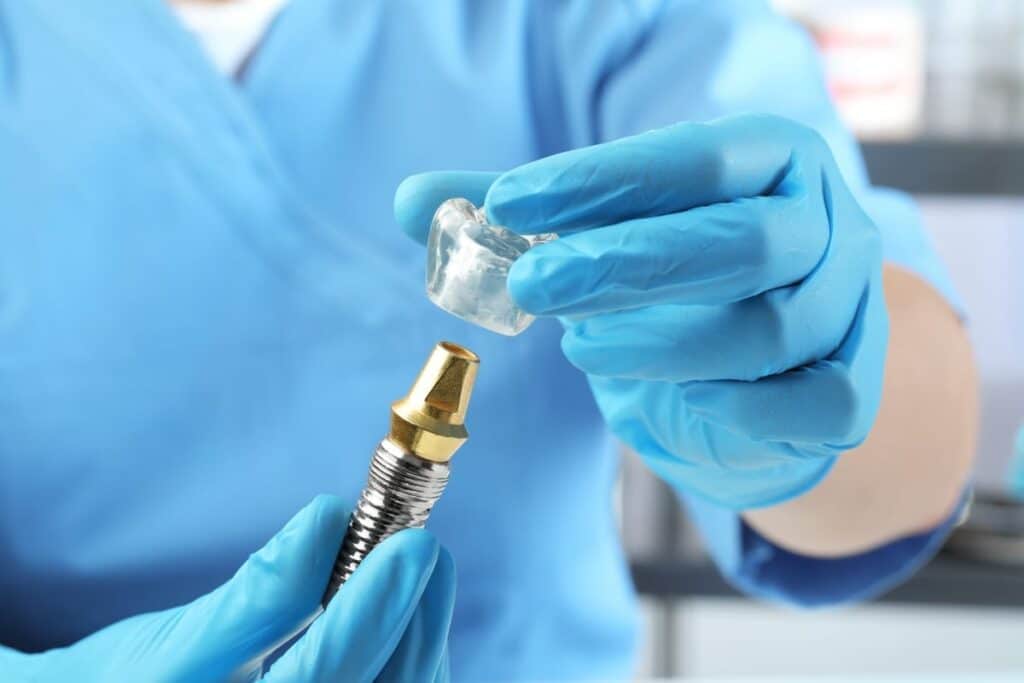
Understanding what actually happens during your dental implant procedure in Springfield can make all the difference. Fear of the unknown keeps many patients from getting the care they truly need. At Kelly Dental of Springfield, Dr. Chase Kelly believes that informed patients feel more confident and relaxed. This guide walks you through every stage — from your very first consultation to your final, fully healed smile.
Step One: Your Consultation and Treatment Planning in Springfield
Every successful implant starts with a thorough consultation. Dr. Kelly will examine your teeth, gums, and jawbone in detail. He uses digital X-rays and 3D imaging to assess bone density and jaw structure. This information shapes a treatment plan built specifically for you.
During this visit, Dr. Kelly will also review your medical history. Certain conditions or medications can affect how implants heal. He will ask about any past dental work, including extractions or prior implants. Honest answers at this stage set your procedure up for success.
You will also discuss your goals during this appointment. Are you replacing a single tooth or multiple teeth? Patients exploring full-arch solutions may be candidates for All-on-4 dental implants. Single Tooth Implants are ideal for isolated gaps in the smile.
Step Two: Preparing Your Mouth for the Implant
Some patients need preparatory work before implant placement begins. Bone grafting may be recommended if your jawbone lacks sufficient density. This adds volume and creates a stable foundation for the implant post. Grafting requires its own healing period before the next step.
If a damaged tooth remains, it will be extracted first. Dr. Kelly performs extractions with care to preserve the surrounding bone tissue. In some cases, a socket preservation graft is placed immediately after extraction. This protects the site and shortens overall treatment time.
Not every patient needs these extra steps. Many Springfield patients move directly from consultation to implant placement. Your treatment plan will clearly outline which preparatory procedures apply to you. Dr. Kelly takes time to explain each step before it happens.
What Actually Happens During the Implant Surgery Itself
On the day of surgery, the treatment area is numbed with local anesthesia. Sedation options are also available for patients who feel anxious. Once you are fully comfortable, Dr. Kelly makes a small incision in the gum tissue. This exposes the jawbone beneath.
A precisely sized channel is created in the bone using specialized drills. The titanium implant post is then carefully placed into this channel. The post acts as an artificial tooth root. It bonds with the surrounding bone through a natural process called osseointegration.
After the post is placed, the gum tissue is gently sutured closed. Most patients describe the sensation as pressure rather than pain. The entire surgical appointment typically lasts one to two hours. You will leave with aftercare instructions and a follow-up date.
- Local anesthesia ensures a pain-free procedure
- Titanium post is placed directly into the jawbone
- Gum tissue is sutured closed after placement
- Most appointments take one to two hours
- Aftercare instructions are provided before you leave
The Healing Process: What to Expect After Surgery
Osseointegration — the bonding of implant to bone — takes time. Most patients need three to six months for this process to complete. During this period, a temporary restoration may be placed over the implant site. This keeps the area protected and maintains your appearance.
Mild swelling and soreness are completely normal in the first few days. Over-the-counter pain relief is usually sufficient to manage discomfort. Soft foods are recommended during the initial healing phase. Dr. Kelly’s team will guide you on what to eat and what to avoid.
Follow-up visits allow Dr. Kelly to monitor your healing progress closely. He checks that the implant is integrating properly with your bone. If anything looks unusual, adjustments can be made early. Most patients heal without any significant complications.
- Osseointegration typically takes three to six months
- A temporary crown may be placed during healing
- Swelling and soreness are normal and short-lived
- Soft foods protect the implant site during recovery
- Regular check-ins track your healing progress
Placing the Final Crown and Completing Your Smile
Once your implant has fully integrated, the final restoration is attached. An abutment — a small connector piece — is first secured to the implant post. Your permanent crown is then crafted to match the color and shape of your natural teeth. The result looks, feels, and functions just like a real tooth.
The final crown placement appointment is typically quick and comfortable. Dr. Kelly checks your bite to ensure everything aligns correctly. Minor adjustments can be made on the spot if needed. Most patients leave this appointment thrilled with their new smile.
Implants are designed to last for decades with proper care. Brushing, flossing, and regular cleanings are all that is required. Patients who maintain good oral hygiene protect their investment long-term. Think of your implant as a permanent part of your smile.
Dental implants are one of the most life-changing services in modern dentistry. Patients who once avoided smiling now do so without hesitation. If you are also exploring other smile improvements, ask about Cosmetic Dentistry Springfield Springfield during your visit. For patients missing many teeth, Dentures Springfield Springfield may be worth discussing as well.
Frequently Asked Questions
Is the dental implant procedure painful?
Most patients experience minimal discomfort during the procedure itself. Local anesthesia numbs the area completely before any work begins. Sedation is also available for anxious patients. Post-surgery soreness is typically mild and manageable with over-the-counter pain relief.
How long does the entire dental implant process take?
The full process — from consultation to final crown — usually takes four to eight months. Most of this time is spent waiting for osseointegration to complete. The actual surgical appointments themselves are relatively short. Your specific timeline depends on whether preparatory work is needed first.
Am I a good candidate for dental implants in Springfield?
Most adults with good general health and adequate jawbone density qualify for implants. Dr. Kelly evaluates each patient individually during the consultation. Factors like bone density, gum health, and medical history all play a role. Even patients with some bone loss may qualify after a bone graft procedure.
What happens if I need a bone graft before my implant?
A bone graft adds volume to areas of the jaw where bone has been lost. It requires its own healing period, usually a few months. After the graft heals, the implant placement can proceed as normal. Dr. Kelly will explain whether a graft is needed during your initial exam.
How do I care for my dental implant after the procedure?
Caring for an implant is very similar to caring for natural teeth. Brush twice daily, floss regularly, and attend routine cleanings at Kelly Dental of Springfield. Avoid chewing on very hard foods during the healing phase. With proper care, a dental implant can last a lifetime.
If you are ready to replace a missing tooth or restore your full smile, Dr. Chase Kelly and the team at Kelly Dental of Springfield are here to guide you. Every patient deserves to understand exactly what lies ahead. Book Now to schedule your appointment with our team.