


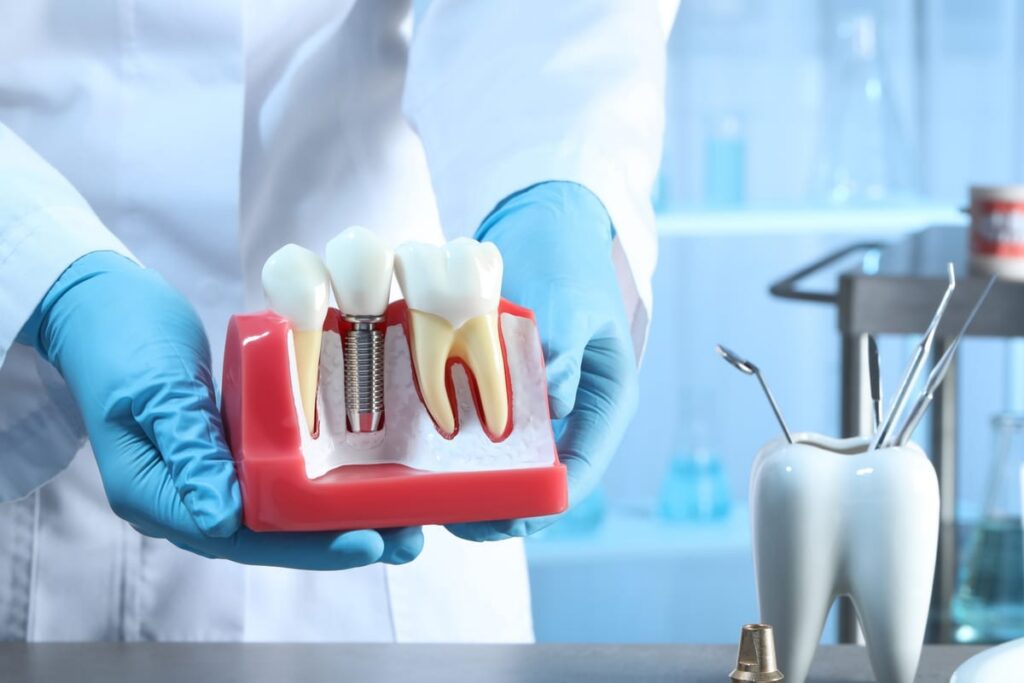
Thinking about implant dentures but not sure what the process looks like? You are not alone. Many Springfield patients feel nervous simply because they do not know what to expect. This step-by-step guide to implant dentures covers every stage of the journey — from your very first consultation through your final, confident smile. Dr. Chase Kelly and the team at Kelly Dental of Springfield believe that understanding the process is the best way to feel ready and at ease.
Step One: Your Initial Consultation in Springfield
Every implant denture journey starts with a thorough consultation. Dr. Kelly will review your dental and medical history during this visit. He will also take digital X-rays and 3D scans to assess your jawbone density and overall oral health. This information helps create a precise, personalized treatment plan just for you.
During this appointment, you can ask every question on your mind. Dr. Kelly will explain which implant option suits your needs best. For many patients, Dentures Springfield Springfield supported by implants offer a stable and lasting solution. You will leave this visit with a clear roadmap and a realistic timeline.
If you are missing most or all of your teeth, All-on-4 dental implants may be discussed as a full-arch option. Single tooth implants are another possibility for patients missing just one or two teeth. The consultation removes uncertainty and replaces it with a confident plan.
Step Two: Preparing Your Mouth for Implants
Some patients need preparatory work before implant placement begins. This step is not always required, but it is important when it applies. Common preparatory procedures include tooth extractions, bone grafting, or gum disease treatment. These steps ensure your mouth is in the best possible shape to receive implants.
Bone grafting sounds intimidating, but it is a routine procedure at Kelly Dental. If your jawbone has shrunk due to tooth loss, a graft adds volume back to the area. This creates a strong foundation for the implant posts. Healing from a graft typically takes a few months before the next stage begins.
- Tooth extractions if damaged teeth remain
- Bone grafting to rebuild jawbone density
- Gum disease treatment to create a healthy foundation
- A healing period to allow tissue to stabilize
Not every patient requires all of these steps. Dr. Kelly will only recommend what is truly necessary for your unique situation. Skipping unnecessary procedures keeps your treatment efficient and comfortable.
Step Three: Implant Placement — What Happens During Surgery
Implant placement is the core surgical step of the entire process. Dr. Kelly places small titanium posts directly into your jawbone during this procedure. Local anesthesia keeps you comfortable throughout, and sedation options are available if you feel anxious. Most patients are surprised by how manageable the procedure actually feels.
The number of posts placed depends on your treatment plan. All-on-4 implants use four strategically positioned posts to support a full arch of teeth. Single tooth implants require just one post per missing tooth. Each post acts as an artificial tooth root, anchoring everything securely in place.
After placement, a temporary restoration is often attached the same day. This means you leave the office with functional teeth while healing begins. The titanium posts then fuse with your jawbone through a natural process called osseointegration. This fusion is what makes implant dentures so remarkably strong and stable.
Step Four: Healing and Osseointegration
The healing phase is one of the most important parts of your implant journey. Osseointegration — the bonding of titanium to bone — takes approximately three to six months. During this time, your body is actively integrating the implant posts into the jaw structure. Patience during this stage leads to a much stronger long-term result.
Dr. Kelly will schedule follow-up visits throughout your healing period. These appointments allow the team to monitor your progress and address any concerns early. Most patients experience only mild soreness and swelling in the days after surgery. Over-the-counter pain relief is usually sufficient to stay comfortable.
- Eat soft foods for the first few weeks after surgery
- Avoid smoking, as it significantly slows healing
- Keep the surgical site clean using gentle rinsing techniques
- Attend all follow-up appointments so Dr. Kelly can track progress
- Report any unusual pain, swelling, or bleeding right away
Your temporary restoration keeps you functional while healing continues. Once osseointegration is confirmed through imaging, the final phase begins. This is the moment patients have been waiting for throughout the entire process.
Step Five: Placing Your Final Implant Dentures in Springfield
The final step is the most rewarding part of the entire journey. Once your implants have fully fused with the jawbone, Dr. Kelly places your permanent implant dentures. These custom restorations are crafted to match the natural shape, size, and color of healthy teeth. The result looks natural and feels completely secure.
Your final dentures snap or screw onto the implant posts for a locked-in fit. Unlike traditional dentures, they do not shift, slip, or require adhesive. You can speak, laugh, and eat with full confidence from day one. Many patients describe this moment as life-changing.
Implant dentures also support your facial structure and jawbone over time. They prevent the bone loss that often follows tooth extraction. If you are curious about other smile restoration options, explore Cosmetic Dentistry Springfield Springfield to learn how Dr. Kelly can further enhance your results. Your smile journey does not have to end here.
What Makes Kelly Dental the Right Choice in Springfield
Dr. Chase Kelly combines advanced training with a genuinely caring approach. He understands that dental procedures can feel overwhelming, especially a multi-step process like implant dentures. Every member of the Kelly Dental team is committed to guiding you through each stage with clear communication and compassionate care. Springfield patients consistently trust this practice for complex restorative work.
The practice uses modern imaging technology to plan each case with precision. Treatment plans are tailored to individual needs — not a one-size-fits-all approach. Whether you need a single implant or a full All-on-4 restoration, Dr. Kelly ensures your care plan reflects your goals, your anatomy, and your timeline.
If you are ready to take the first step toward a stable, beautiful smile, the team at Kelly Dental of Springfield is here to help. This guide to implant dentures in Springfield is just the beginning of what is possible. Book Now to schedule your appointment with our team.
Frequently Asked Questions
How long does the entire implant denture process take?
The full process typically takes six to twelve months from consultation to final restoration. The timeline varies based on whether preparatory procedures like bone grafting are needed. Healing and osseointegration make up the longest portion of the journey. Dr. Kelly will give you a personalized estimate during your first visit.
Is the implant placement procedure painful?
Most patients experience far less discomfort than they expect. Local anesthesia is used throughout the procedure to keep you comfortable. Mild soreness and swelling are normal in the days following surgery. Over-the-counter medications are usually enough to manage any post-procedure discomfort.
Am I a good candidate for implant dentures?
Most adults with good general health are candidates for implant dentures. Adequate jawbone density is important for implant success, though bone grafting can help if needed. Dr. Kelly will evaluate your oral and overall health during your consultation. He will recommend the best treatment path based on your specific situation.
How do I care for implant dentures once they are placed?
Implant dentures are easy to maintain with regular brushing and flossing. Use a soft-bristle toothbrush and non-abrasive toothpaste to keep them clean. Regular dental checkups at Kelly Dental allow Dr. Kelly to monitor the implants and surrounding tissue. Proper daily care helps your implant dentures last for decades.
What happens if I delay getting implants after tooth loss?
Delaying implant treatment can lead to progressive jawbone loss in the area of the missing tooth. This bone loss can change your facial structure and make future implant placement more complex. Acting sooner rather than later tends to simplify the overall process. Dr. Kelly can advise you on the best timing during your consultation.