


If you’ve lost a tooth — or several — you’re probably weighing your options. The question of dental implants vs. dentures vs. bridges: which actually lasts longest in Springfield is one Dr. Chase Kelly hears constantly at Kelly Dental. Each option works, but they’re not equal in durability, comfort, or long-term value. This guide breaks down the honest differences so you can make a confident, informed decision.
Understanding Your Three Main Tooth Replacement Options
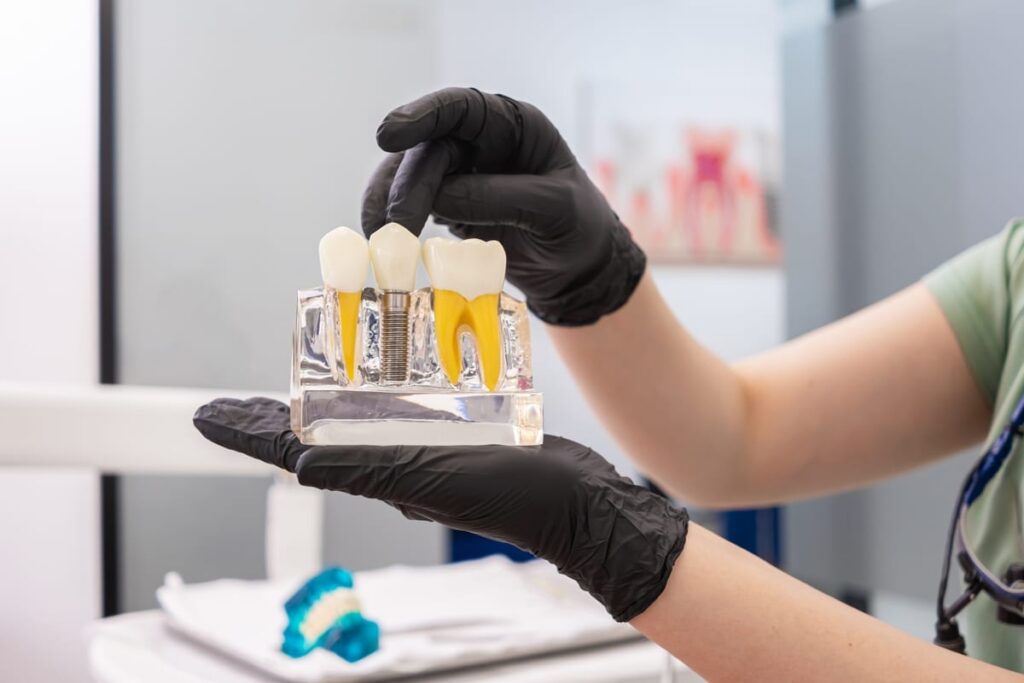
Before comparing lifespans, it helps to understand what each restoration actually is. A dental bridge uses crowns on neighboring teeth to anchor a false tooth in the gap. A denture is a removable appliance — either partial or full — that replaces multiple missing teeth. A dental implant is a titanium post surgically placed into the jawbone, topped with a realistic crown.
Each option solves the same problem but in very different ways. The right choice depends on your bone health, budget timeline, and lifestyle. At Dental Implants Springfield, Dr. Kelly evaluates each patient individually before recommending a path forward. No two smiles — and no two treatment plans — are exactly alike.
How Long Do Dental Implants, Dentures, and Bridges Actually Last?
Longevity is one of the biggest factors patients consider. Here’s what clinical evidence and real-world experience show:
- Dental implants: With proper care, implants can last 25 years or even a lifetime. The titanium root integrates with your jawbone and rarely needs replacement.
- Dental bridges: Most bridges last 10–15 years before needing repair or replacement. The supporting teeth underneath can weaken over time.
- Dentures: Standard dentures typically last 5–8 years before refitting is needed. Your jawbone changes shape after tooth loss, causing dentures to loosen.
The lifespan gap is significant. Implants win on durability — by a wide margin. That said, bridges and dentures remain valid options depending on your individual situation. Cost upfront versus long-term replacement frequency is worth factoring into your decision.
Dental Implants vs. Dentures: Which Is Better for Daily Life?
Comfort and function matter just as much as longevity. Dentures are removable, which some patients appreciate — but that also means slippage during meals or conversation. Many denture wearers avoid certain foods entirely. That limitation affects nutrition and quality of life.
Dental implants feel and function like natural teeth. You brush them normally and eat without restrictions. There’s no adhesive, no soaking overnight, and no worrying about them shifting. For patients in Springfield who want to live without thinking about their teeth, implants often feel like the more freeing option.
Dentures also require jawbone support — and here’s the issue. Once teeth are gone, the jawbone begins to shrink. Dentures don’t stop that process. Implants, however, stimulate the bone just like natural tooth roots do. This prevents the sunken facial appearance that long-term denture wearers sometimes develop.
Dental Implants vs. Bridges: Protecting the Teeth You Still Have
A dental bridge requires shaving down two healthy adjacent teeth. Those teeth are permanently altered to serve as anchors. This can compromise their structure over decades. If the bridge eventually fails, those anchor teeth may need crowns or even removal.
Implants are completely independent. They don’t borrow support from neighboring teeth. That means your healthy teeth stay intact and untouched. For younger patients especially, preserving adjacent teeth can have meaningful long-term consequences.
Bridges do have real advantages — they’re faster to place and don’t require surgery. For patients who aren’t candidates for implants due to bone loss or other health factors, a bridge may be the most practical solution. Dr. Kelly will evaluate your bone density and gum health to determine what your jaw can support.
Who Is a Good Candidate for Each Option in Springfield?
Not everyone qualifies for every treatment. Here’s a general breakdown of who tends to benefit most from each option:
- Dental implants: Best for patients with healthy jawbone density, good gum health, and a desire for a permanent, low-maintenance solution.
- Dental bridges: A solid choice when adjacent teeth already need crowns, or when implant surgery isn’t advisable.
- Dentures: Often recommended when multiple teeth are missing across an arch, or when bone loss makes implants more complex.
- All-on-4 implants: An implant-supported option that provides full-arch restoration for patients who’ve lost most or all of their teeth.
It’s also worth knowing that some patients combine options. A partial denture might work alongside a bridge, or implants might anchor a full denture for added stability. Your Springfield dentist can walk you through hybrid approaches if they apply to your case.
What to Expect When You Visit Kelly Dental of Springfield
Dr. Chase Kelly begins every implant or restoration consultation with a thorough exam. This includes digital X-rays to assess bone volume and a discussion of your goals and concerns. There’s no pressure — just honest conversation about what’s realistic for your mouth.
If a dental emergency brought you here first — like a knocked-out or broken tooth — know that Emergency Dentistry Springfield is also available at Kelly Dental. Quick action after tooth loss can sometimes affect which restoration options remain on the table. The sooner you’re seen, the more choices you’ll have.
Springfield patients can expect a judgment-free environment and clear explanations at every step. Dr. Kelly believes informed patients make better decisions — and better decisions lead to healthier smiles for life.
The Bottom Line: Which Option Lasts Longest?
When comparing dental implants vs. dentures vs. bridges in Springfield, implants win on longevity, function, and bone preservation. They’re the closest thing to a natural tooth that modern dentistry offers. That said, the best option for you depends on your bone health, the number of missing teeth, and your personal priorities.
Bridges are a reliable middle ground. Dentures serve many patients well — especially when combined with implant support. The key is getting a professional evaluation before deciding. Don’t let cost alone drive the decision without understanding long-term replacement costs for shorter-lasting options.
Ready to find out which option is right for your smile? Book Now to schedule your appointment with our team.
Frequently Asked Questions
How long do dental implants last compared to dentures?
Dental implants can last 25 years or longer with proper care, while standard dentures typically need replacement or refitting every 5–8 years. Implants integrate with the jawbone, making them far more stable and durable over time.
Is a dental bridge a permanent solution?
Bridges are semi-permanent. They’re cemented in place and not removable, but most last only 10–15 years before they need repair or replacement. The supporting anchor teeth may also weaken over time, which can lead to additional dental work down the road.
Can dentures be upgraded to dental implants later?
In many cases, yes. Patients who currently wear dentures may be candidates for implant-supported dentures or full implant restoration. Bone density is the key factor — Dr. Kelly can assess whether your jawbone can support implants during a consultation.
Are dental implants painful to get?
Most patients report less discomfort than they expected. The procedure is performed under local anesthesia, so you won’t feel pain during placement. Some soreness in the days following is normal and manageable with over-the-counter pain relief.
What happens to the jawbone when you lose a tooth?
After a tooth is lost, the jawbone in that area begins to shrink because it no longer receives stimulation from a tooth root. Implants mimic natural roots and prevent this bone loss. Dentures and bridges do not stop the shrinkage process, which is why implants are often the preferred long-term solution.